𝐔𝐧𝐜𝐨𝐧𝐯𝐞𝐧𝐭𝐢𝐨𝐧𝐚𝐥 𝐏𝐚𝐫𝐭𝐧𝐞𝐫𝐬𝐡𝐢𝐩𝐬 𝐚𝐫𝐞𝐧’𝐭 𝐨𝐩𝐭𝐢𝐨𝐧𝐚𝐥 𝐚𝐧𝐲𝐦𝐨𝐫𝐞. 𝐓𝐡𝐞𝐲’𝐫𝐞 𝐬𝐮𝐫𝐯𝐢𝐯𝐚𝐥 𝐬𝐭𝐫𝐚𝐭𝐞𝐠𝐲.
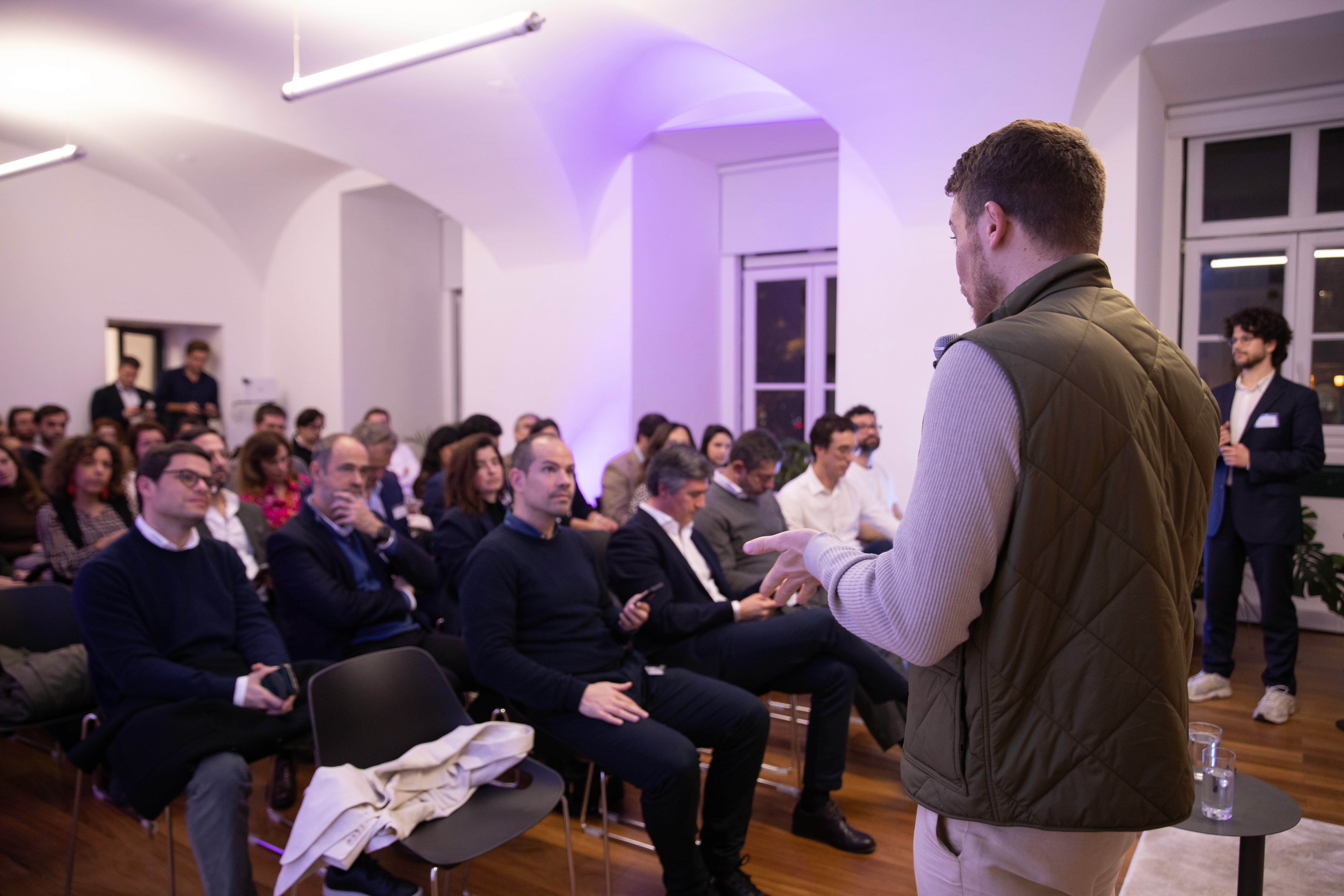
On 19 Feb in Lisbon, we explored how real estate must evolve beyond silos.
Here are 7 key takeaways:
1️⃣ The public is not a risk, it’s a delivery partner.
Early civic engagement reduces friction, redesign and political escalation.
2️⃣ Affordable housing works when risk is redistributed.
Municipality + institutional capital + developer alignment = viable long-term model.
3️⃣ Climate risk is now structural.
Resilience is no longer ESG branding, it’s underwriting logic.
4️⃣ Resilience creates value.
Better insulation, smarter siting, risk modeling → higher asset value + lower operational costs.
5️⃣ Speed matters.
Industrialized construction can compress timelines from 24 months to 4.
6️⃣ Real estate must shift from owner-centric to occupier-centric.
People expect community, services, identity not just sqm.
7️⃣ Partnerships need structure.
Clear KPIs. Clear governance. Clear incentives. No romantic handshakes.
The future of cities will be built by ecosystems, not by isolated players.
𝐀 𝐡𝐮𝐠𝐞 𝐭𝐡𝐚𝐧𝐤 𝐲𝐨𝐮 𝐭𝐨 𝐨𝐮𝐫 𝐢𝐧𝐜𝐫𝐞𝐝𝐢𝐛𝐥𝐞 𝐬𝐩𝐞𝐚𝐤𝐞𝐫𝐬:
Daniel Fusca (City of Toronto)
Ricardo Medeiros (Grupo Ageas Portugal)
Pedro Resende (OWLplaces)
André Tomaz Lopes (Revive)
Pedro Rutkowski (WORX Real Estate Consultants)
See more photo HERE